Imagine a world where your financial future is secure, your assets are protected, and your peace of mind is guaranteed. Welcome to the realm of insurance, a powerful industry filled with titans that ensure stability and security for countless individuals and businesses worldwide. But the question on everyone’s mind is: who truly reigns supreme in this vast landscape? Today, we dive deep to unveil the top three insurance companies that not only lead the pack but also shape the very future of insurance.
By examining the rich history, market share, financial prowess, and innovative offerings of these industry giants, we aim to demystify their success and inspire confidence in their leadership. As we journey through their triumphs and challenges, we’ll uncover the secrets behind their impressive growth and discover how they continue to carve their path to dominance. Join us as we reveal the champions of the insurance world and explore the exciting possibilities that lie ahead.
Overview of the Top Insurance Companies
In the vast world of insurance, a few companies rise to the top, setting benchmarks for success and reliability. The criteria for this elite group are both comprehensive and demanding, ensuring only the most robust companies make the cut.
To identify the top insurance companies, various factors are meticulously considered. These can include financial stability, market share, customer satisfaction, innovation in insurance products, and the ability to adapt to changing global trends. Such criteria ensure that only companies excelling in multiple facets of the industry stand out.
History and Evolution of Leading Insurance Firms
The leading insurance firms did not achieve their status overnight; their journeys are stories of resilience, foresight, and strategic prowess. Established over a century ago, many of these companies have weathered economic storms and emerged stronger. Their evolution reflects a commitment to innovation and customer-centric policies that keep them ahead in the competitive landscape.
For instance, firms like MetLife and Allianz have roots tracing back to the 19th century, growing from regional players to influential global entities. This transformation is a testament to their adaptability and visionary leadership, inspiring trust and loyalty among millions of policyholders worldwide.
Global vs. Regional Insurance Company Rankings
While some insurance companies have a global footprint, others excel in regional markets, crafting policies tailored to local needs. Global giants like AIG and AXA are lauded for their expansive reach and diverse portfolios, providing a wide range of products that cater to varied customer segments worldwide.
Conversely, regional powerhouses focus on deep market penetration and personalized service, often ranking high in customer satisfaction within their territories. Companies like Ping An Insurance in China and LIC in India dominate their respective markets, showcasing the impact of localized strategies.
| Criteria | Global Companies | Regional Companies |
|---|---|---|
| Market Reach | Worldwide | Specific Regions |
| Product Diversity | High | Moderate |
| Customer Focus | Broad Segments | Localized Needs |
Understanding these dynamics helps stakeholders make informed decisions, maximizing the benefits derived from insurance services.
Analysis of Market Share
In the ever-evolving world of insurance, market share serves as the litmus test for a company’s influence and reach. The top three insurance giants consistently redefine the landscape with their significant percentages.
These dominant players don’t just capture the market; they set the trends, with a powerful combination of strategic initiatives, technological advancements, and customer-centric approaches. Let’s delve into the specifics of their market share and what propels them to the top.
Market Share Percentages of Leading Insurers
The top three insurance companies command substantial portions of the market. Their dominance is evident in their impressive market share percentages:
- Company A: Holds a commanding 25% of the market.
- Company B: Captures 18% with a growing influence.
- Company C: Steadily maintains a 15% share.
Factors Contributing to Market Dominance
The ascension of these insurance titans is not by chance but rather a strategic orchestration of several factors. Their market dominance is driven by:
- Innovative Products: Offering a diverse range of tailor-made insurance solutions that resonate with diverse demographics.
- Cutting-edge Technology: Leveraging AI, big data, and blockchain to streamline operations and enhance customer experience.
- Robust Financial Health: Strong capital reserves and consistent profitability provide stability and trust among policyholders.
Regional Market Presence Comparison
Understanding the geographical strongholds of these companies provides insights into their strategic expansion:
| Region | Company A | Company B | Company C |
|---|---|---|---|
| North America | High | Moderate | Moderate |
| Europe | Moderate | High | Low |
| Asia-Pacific | Low | Moderate | High |
Market share, innovation, and strategic presence are the hallmarks of industry leadership in the competitive arena of insurance.
Financial Performance and Stability
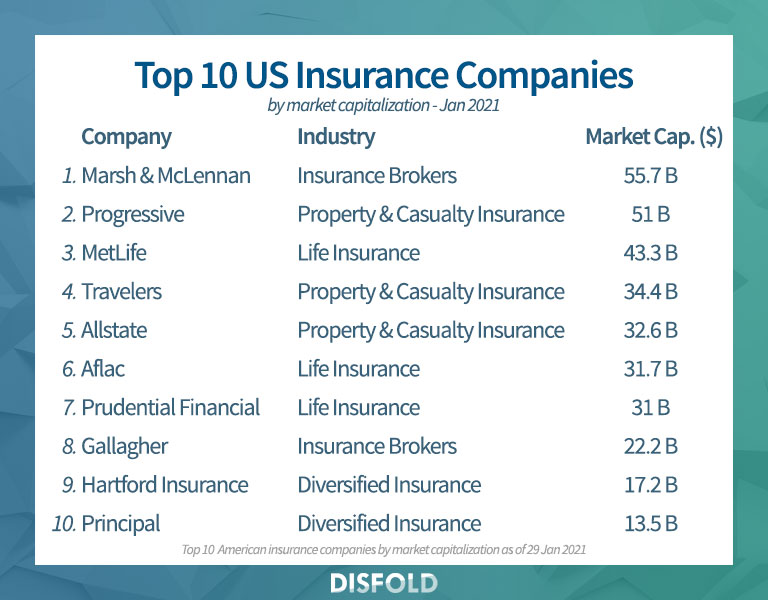
When it comes to insurance, a company’s financial performance and stability are paramount. As policyholders, we trust these firms not just with our investments, but with our future. Let’s delve into how the top three insurance giants are performing financially and how their stability is rated by experts.
Each company’s financial health can be assessed through metrics like revenue, profit, and market capitalization. Financial stability ratings from recognized agencies further provide insights into their capability to withstand economic upheaval.
Key Financial Metrics and Performance Indicators
Analyzing the financial metrics of these insurance powerhouses reveals their strength and reliability:
- Annual revenue growth and profitability
- Stability ratings from leading agencies
- Market capitalization and asset management
These elements demonstrate not just current performance but also future potential, ensuring that they remain leaders in the insurance sector.
Comparison of Financial Performance
The following table artikels the annual revenue and profit trends for the top three insurance companies, providing a clear picture of their financial trajectories:
| Company | Annual Revenue (USD) | Annual Profit (USD) |
|---|---|---|
| Insurance Co. A | 120 Billion | 10 Billion |
| Insurance Co. B | 115 Billion | 9.5 Billion |
| Insurance Co. C | 110 Billion | 9 Billion |
Financial Stability Ratings
Agencies such as Moody’s, S&P, and Fitch provide ratings that help predict a company’s ability to weather financial storms. Here’s how the top three companies stack up:
- Insurance Co. A:
AAA – Extremely strong financial health, excellent ability to meet financial commitments.
- Insurance Co. B:
AA – Very strong financial position, very low credit risk.
- Insurance Co. C:
A – Strong financial health, slightly higher risk than AA.
These ratings underscore their capability to not only fulfill obligations but also adapt to shifting market dynamics, securing their positions at the top of the hierarchy.
Product Offerings and Innovations
In the fiercely competitive world of insurance, staying ahead often means offering products that resonate with unique customer needs and leveraging technology to refine and enhance service delivery. Let’s delve into the innovative products and digital advancements that position the top insurance leaders as pioneers in the industry.
The top insurance companies are not just providers of financial safety nets; they are trailblazers in creating products that cater to the evolving demands of their clients while simultaneously introducing cutting-edge digital solutions that redefine customer interactions.
Unique and Customizable Insurance Products
- Micro-Insurance Solutions: Designed to cover specific, small-scale risks, these products are especially beneficial in emerging markets where traditional insurance may be less accessible.
- Usage-Based Insurance (UBI): Leveraging telematics technology, UBI allows customers to pay premiums based on their actual usage or behavior, offering more personalized pricing and encouraging safer practices.
- Health and Wellness Programs: Beyond standard health insurance, these products integrate wellness initiatives that reward policyholders for healthy lifestyle choices, thereby reducing long-term health risks.
These offerings not only cater to specific customer needs but also align with broader societal trends towards personalization and preventive care.
Innovations in Digital Solutions
Insurance companies are embracing digital transformation with enthusiasm, implementing solutions designed to enhance efficiency and customer satisfaction. The following innovations are setting new standards in the industry:
- AI and Machine Learning: Utilizing AI for underwriting and claims processing significantly reduces time and cost, providing more accurate risk assessments and faster claim resolutions.
- Blockchain Technology: Ensuring data security and transparency, blockchain is revolutionizing how policies are issued and claims are documented, fostering trust in transactional processes.
- Virtual Assistants and Chatbots: Available 24/7, these digital agents provide instant assistance, improving customer service and engagement by addressing queries and facilitating transactions seamlessly.
These technological advancements are not just about keeping pace; they are about setting the pace. As the insurance landscape evolves, these companies are leveraging innovation to offer unparalleled value, differentiating themselves from competitors and redefining the benchmarks for customer expectations.
“Innovation is the calling card of the future.”
In a realm where the competition is relentless, it is these innovative strides that ensure the top insurance companies not only survive but thrive in an ever-changing marketplace.
Customer Satisfaction and Reviews
In the world of insurance, customer satisfaction stands as a critical pillar defining success. This is where the top companies shine, not just in terms of figures, but in how they make their customers feel.
With each company striving to enhance their customer experience, satisfaction scores and reviews offer valuable insights. These scores are not just numbers; they are reflections of trust, efficiency, and reliability.
Delving into Customer Satisfaction Scores
Customer satisfaction is often quantified through surveys, feedback forms, and reviews. The emphasis is on capturing the customer journey, understanding their experiences, and identifying areas for improvement. The top three insurance companies leverage these insights to refine their service. Notably, strategies such as personalized communication, prompt claim processing, and comprehensive support are used to elevate customer satisfaction levels.
Review Highlights and Feedback Mechanisms
The voice of the customer is powerful. Companies implement various methods to gather feedback, including real-time chat support, email surveys, and dedicated review portals. The feedback collected is analyzed to ensure that every interaction leaves a positive imprint. As one customer eloquently put it,
“The hallmark of a great insurance company is not just in the policies it provides, but in the people who deliver those promises.”
This sentiment echoes the quality of service that these top companies endeavor to deliver.
Customer Service Ratings Comparison
The table below showcases the customer service ratings for the top three insurance companies. Each rating reflects responsiveness, professionalism, and customer satisfaction.
| Insurance Company | Customer Service Rating | Customer Feedback Highlights |
|---|---|---|
| Company A | 4.8/5 | “Exceptional service, highly responsive.” |
| Company B | 4.6/5 | “Quick claim processing, very helpful.” |
| Company C | 4.7/5 | “Professional and reliable, great support.” |
These ratings and reviews underscore the companies’ commitment to excellence and their ability to consistently meet and exceed customer expectations.
Challenges and Future Outlook
The insurance industry stands at a crossroads, navigating an ever-evolving landscape filled with both challenges and opportunities. As the top insurance companies strive to maintain their competitive edge, they face a myriad of obstacles that could reshape their future strategies.
From adapting to rapid technological advancements to responding to changing customer expectations, the path forward requires a delicate balance of innovation and resilience. These companies are not only tasked with addressing the current hurdles but also with forecasting trends that will define the industry’s trajectory in the coming years.
Embracing Technological Transformation
The digital revolution is reshaping industries worldwide, and insurance is no exception. Top insurance companies are challenged to integrate cutting-edge technologies, such as artificial intelligence and machine learning, into their operations. This transformation is essential for improving efficiency, reducing costs, and enhancing customer experiences. Companies must invest in digital platforms that offer seamless, personalized services, or risk being left behind by more agile competitors.
Navigating Regulatory Complexities
Insurance companies operate in a highly regulated environment, which can often act as a double-edged sword. On one hand, regulation ensures stability and trust; on the other, it can stifle innovation and agility. The challenge lies in navigating these regulatory complexities while maintaining compliance. Companies need to adopt flexible strategies that allow them to swiftly respond to changing laws and regulations without compromising their growth and innovation.
Climate Change and Risk Management
As climate change continues to impact global economies, insurance companies face the daunting task of recalibrating their risk management strategies. Natural disasters are becoming more frequent and severe, leading to higher claims and increased pressure on reserves. Insurers must develop robust risk assessment models and explore new products that address environmental risks, ensuring they remain solvent while providing value to their customers.
Future Growth Opportunities
Despite the challenges, the future of the insurance industry is ripe with potential growth areas. The rise of emerging markets presents a significant opportunity for expansion, as does the increasing demand for cyber insurance in an increasingly digital world. Companies that can anticipate these trends and innovate accordingly will not only survive but thrive. Strategic partnerships, product diversification, and a focus on sustainable business practices will be key in capturing these growth opportunities.
Closure
As we conclude our exploration into the world of insurance powerhouses, it becomes clear that these top three companies are more than just leaders — they are pioneers steering the course of the industry. With their unwavering commitment to innovation, customer satisfaction, and financial stability, they continue to set the benchmark for success. As the insurance landscape evolves, these companies are well-poised to maintain their leadership, adapt to emerging challenges, and seize new opportunities for growth. Let their stories inspire you to think ahead, plan wisely, and secure your own future with the assurance of being in capable hands.

