Welcome to the exciting journey of discovering your dream home in the ever-evolving real estate landscape. In today’s market, finding the perfect property near you isn’t just about luck; it’s about knowing where to look and what to look for. With ever-changing trends and a dynamic economic backdrop, the quest for new homes near you can feel overwhelming. But fear not—this guide will illuminate the path to your ideal property.
Imagine stepping into a home that perfectly embodies your lifestyle aspirations, all while being strategically located to offer both comfort and convenience. With a strategic approach and informed choices, you’ll not only find the perfect abode but also invest wisely in your future. Let’s delve into the essential steps and considerations for finding your dream property today.
Understanding the Current Real Estate Market
Embarking on a journey to find your dream home requires a keen insight into the fluctuating tides of today’s real estate market. With various factors at play, prospective homeowners must navigate through a complex landscape.
The real estate market is a dynamic entity, constantly influenced by a multitude of factors. These include economic conditions, interest rates, and demographic shifts. Understanding these elements will empower you to make informed decisions as you search for that perfect property.
Factors Influencing Today’s Real Estate Market
In today’s market, interest rates play a pivotal role. When rates are low, borrowing becomes cheaper, increasing the demand for homes. Conversely, high interest rates can dampen the market as financing becomes more costly. Additionally, economic conditions, such as employment rates and GDP growth, directly impact consumer confidence and purchasing power. Demographic trends, such as urbanization and population growth, further shape the landscape by influencing where and how people choose to live.
Trends in Property Pricing: Urban vs. Suburban Areas
The pricing trends in urban versus suburban areas have showcased contrasting dynamics. Urban regions often experience higher demand due to proximity to employment hubs and amenities, leading to elevated prices. In contrast, suburban areas offer more affordable options, attracting those seeking space and tranquility. However, with remote work becoming more prevalent, suburbs are witnessing a rise in demand as people prioritize home size and quality of life.
Economic Shifts and New Home Availability
Economic shifts, whether due to global events or national policies, have a profound impact on the availability of new homes. A robust economy typically fuels construction and development, leading to more options for buyers. However, during economic downturns, developers may scale back, resulting in a tighter market. Understanding these patterns helps in predicting future availability and timing your purchase effectively.
| Trend | Impact | Examples | Solutions |
|---|---|---|---|
| Rising Interest Rates | Higher mortgage costs | Fewer first-time buyers | Consider fixed-rate mortgages |
| Urbanization | Increased demand in cities | Price surges in metropolitan areas | Explore suburban alternatives |
| Remote Work Trends | Migration to suburbs | Growth in suburban developments | Leverage remote work policies |
| Economic Policies | Market volatility | Fluctuations in home prices | Stay informed on policy changes |
“The real estate market, much like the ocean, is ever-changing and boundless, requiring navigation with both caution and courage.”
Steps to Finding New Homes Near You
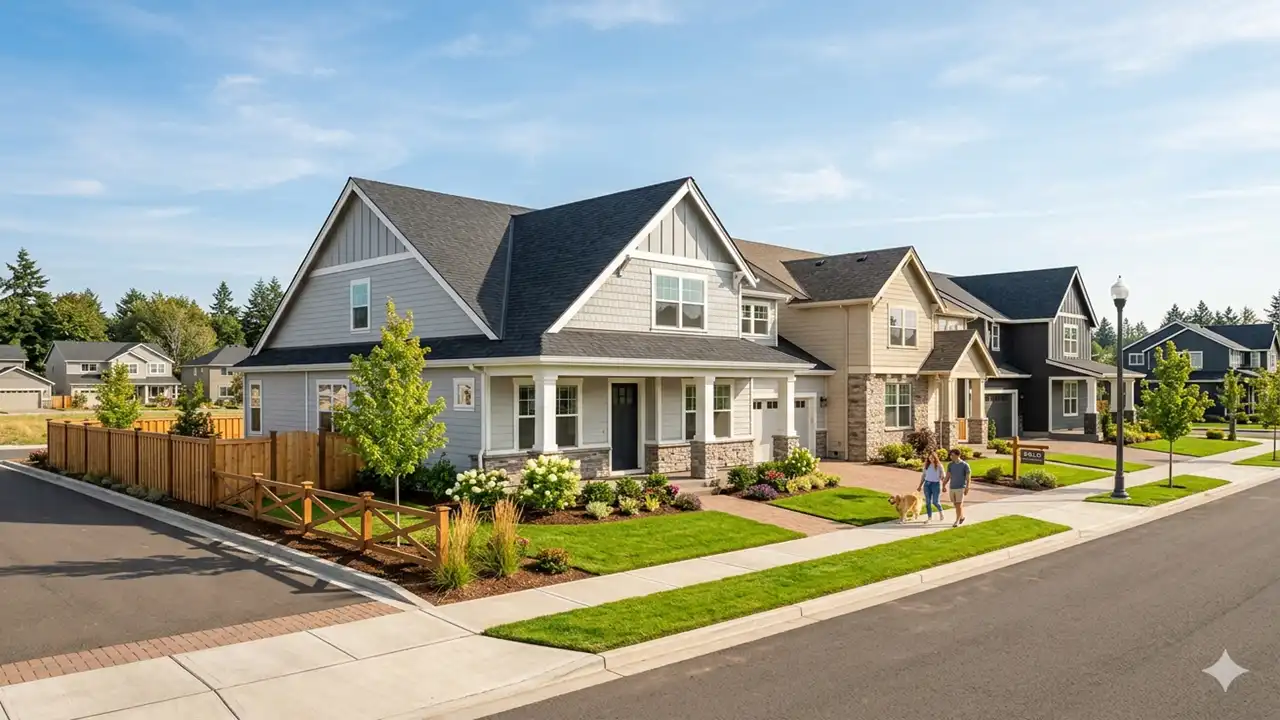
Embarking on the journey to find a new home can be both exciting and overwhelming. To simplify the process and ensure you land the home of your dreams, it’s crucial to follow a systematic approach.
In this guide, we’ll walk you through essential steps to uncovering new homes in your area, leveraging online resources, and making informed decisions.
Utilizing Online Real Estate Platforms
The digital age has revolutionized the way we search for homes, making online real estate platforms an indispensable tool. These platforms offer a treasure trove of information, from high-resolution images to detailed property descriptions.
- Choose reputable platforms like Zillow, Realtor.com, or local real estate websites.
- Set up alerts for new listings that match your criteria to stay ahead of the competition.
- Utilize filters to narrow down your search based on location, price range, and property size.
By effectively using these platforms, you can streamline your search and focus on the properties that truly meet your needs.
The Importance of Setting a Budget
Before embarking on your home search, it’s imperative to establish a realistic budget. This not only narrows down your options but also ensures you don’t fall in love with a property out of your financial reach.
Consider all financial aspects: mortgage payments, property taxes, insurance, and maintenance costs. It’s wise to consult with a financial advisor or mortgage broker to understand your borrowing capacity.
“Having a clear budget in place transforms the home-buying process from overwhelming to manageable.”
Creating a Comparison Table for Neighborhoods
When you’ve identified potential homes, comparing neighborhoods becomes key to making a well-rounded decision. A structured approach using a comparison table can be invaluable.
| Neighborhood | Average Home Price | Schools Rating | Crime Rate | Amenities |
|---|---|---|---|---|
| Greenwood | $350,000 | A | Low | Parks, Shops |
| Riverview | $400,000 | B+ | Medium | Restaurants, Schools |
| Lakeside | $375,000 | A- | Low | Trails, Cafes |
By keeping track of these variables, you can weigh the pros and cons of each neighborhood and make an informed decision that best suits your lifestyle and needs.
Evaluating Your Dream Property Features
Finding a new home is an exhilarating journey, but it’s crucial to identify the essential features that align with your lifestyle and preferences. Let’s delve into the elements that can transform a mere house into your dream abode.
When considering a new property, it’s important to weigh the advantages and disadvantages of various housing types, and to recognize customizable features that can significantly enhance your living experience.
Key Features to Consider
Every dream home checklist starts with some fundamental features, ranging from practical needs to aesthetic desires. Here’s what to keep in mind:
- Location: Prioritize proximity to work, schools, and amenities.
- Space: Consider the number of bedrooms and square footage.
- Outdoor Areas: Think about yards, gardens, or balconies for extra leisure space.
- Energy Efficiency: Seek out homes with sustainable features like solar panels or energy-efficient appliances.
Comparing Property Types
Choosing between a single-family home and a condo can be tricky. Let’s break down the pros and cons of each option to help you decide:
| Property Type | Pros | Cons |
|---|---|---|
| Single-Family Home | Privacy, more space, potential for customization. | Higher maintenance, often more expensive. |
| Condominium | Lower maintenance, amenities like pools or gyms, cost-effective. | Less privacy, HOA fees, limited customization. |
Customizable Features Adding Value
Your home should reflect your personality. Here are some features that can be customized to add both value and comfort:
- Kitchen Layout: An open-plan design with modern appliances.
- Bathroom Upgrades: Luxury fittings like rainfall showers or standalone tubs.
- Smart Home Technology: Integrated systems for lighting, security, and climate control.
- Flooring Choices: Hardwood, tile, or eco-friendly options like bamboo.
Checklist for Evaluating Potential New Homes
To streamline your search, utilize this checklist to assess each potential home:
| Criteria | Remarks |
|---|---|
| Proximity to essentials | _________ |
| Condition of the property | _________ |
| Customization options | _________ |
| Neighborhood safety | _________ |
| Price vs. budget | _________ |
“The perfect home is not just a place, it’s a feeling.”
Financing Your New Home Purchase
Stepping into the world of home ownership is not just about finding the perfect property; it’s also about making wise financial decisions. With various financing options available, navigating through them can be as thrilling as it is crucial.
Understanding these options will empower you to secure your dream home without financial stress. Let’s delve into the intricacies of home financing, so you’re fully prepared for this exciting journey.
Exploring Home Financing Options
Choosing the right financing option is like finding the perfect pair of shoes—it needs to fit just right. The world of mortgage loans is vast, and each option comes with its own set of advantages. Whether you’re eyeing a conventional loan for its stability or intrigued by the flexibility of a VA loan, there’s something to suit every homebuyer.
- Conventional Loans: Ideal for buyers with good credit and stable income. These loans often come with lower interest rates but require a larger down payment.
- FHA Loans: Great for first-time homebuyers, offering lower down payments and easier credit qualifications.
- VA Loans: Exclusive to veterans and active military members, these loans offer zero down payment options and competitive interest rates.
- USDA Loans: Perfect for those looking to settle in rural areas, providing zero down payment options for eligible properties.
Getting Pre-Approved for a Home Loan
Embarking on your homeownership journey begins with getting a pre-approval. This crucial step not only clarifies your budget but also strengthens your position as a serious buyer in the eyes of sellers.
The pre-approval process involves a thorough review of your financial picture, including your income, credit score, and debt obligations. Once completed, you’ll receive a pre-approval letter indicating how much a lender is willing to loan you. This letter is a golden ticket in competitive markets, granting you credibility and a competitive edge.
Understanding Down Payments and Interest Rates
Two significant components of home financing are the down payment and the interest rate. Each plays a pivotal role in determining your overall financial commitment to your new home.
A larger down payment reduces your loan amount and can sometimes secure a lower interest rate, saving you money over the loan term. Interest rates, on the other hand, can fluctuate based on market conditions and your creditworthiness, impacting your monthly payments.
“A wise homebuyer doesn’t just dream about homeownership but also plans financially for it.”
Comparing Loan Types
To make an informed decision, it’s essential to compare loan types based on their benefits and eligibility criteria. Here’s a quick overview:
| Loan Type | Benefits | Eligibility Criteria |
|---|---|---|
| Conventional Loan | Lower interest rates, flexible terms | Good credit score, stable income |
| FHA Loan | Low down payment, easier qualifications | Moderate credit score, steady employment |
| VA Loan | No down payment, competitive rates | Veterans, active military |
| USDA Loan | Zero down payment, rural property | Rural area residency, income limits |
Legal and Documentation Procedures
Navigating the legal terrain of buying a new home might seem daunting, but with the right knowledge, it’s a journey you can confidently embark on. Let’s unravel the essential steps and documents needed to smoothly transition into homeownership.
Understanding the legal and documentation procedures is crucial in safeguarding your interests and ensuring a seamless transaction. From contractual agreements to essential inspections, each step plays a pivotal role in your home-buying experience.
Essential Legal Steps in Property Purchase
Embarking on the legal journey of purchasing a home involves several critical steps that ensure the process is legitimate and protects your investment. Here’s an overview of what you need to consider:
- Engage a reliable real estate attorney to guide you through the legal intricacies.
- Review and understand the purchase agreement thoroughly before signing.
- Perform a title search to confirm the property is free of encumbrances.
- Secure title insurance to protect against potential future disputes.
- Attend the closing meeting to finalize the transfer of property ownership.
Necessary Documentation for Smooth Transactions
Documentation is the backbone of a successful property purchase. Ensuring you have all the required documents ready will facilitate a smooth and efficient process:
- Purchase Agreement: The contract outlining the terms between buyer and seller.
- Loan Application: Required if you’re financing the purchase through a lender.
- Title Insurance Policy: A safeguard against property ownership disputes.
- Deed: The legal document transferring property ownership to you.
- Property Tax Records: Proof of current property tax standing.
The Importance of Home Inspections and Appraisals
Before sealing the deal, conducting thorough home inspections and appraisals is indispensable. These steps not only provide peace of mind but also protect your financial investment:
“A home inspection is your opportunity to uncover potential issues before they become expensive fixes.”
Engage a certified inspector to evaluate the property’s condition, checking for structural integrity, electrical systems, plumbing, and more. An appraisal, on the other hand, ensures the property’s value aligns with your purchase price, safeguarding your investment and loan approval process.
Long-Term Considerations and Future Planning
Embarking on the journey to find a new home isn’t just about the now; it’s about tomorrow too. While today’s market can offer exciting opportunities, thinking ahead is essential to ensure your investment stands the test of time.
In the world of real estate, future planning and long-term considerations are vital. By anticipating the future, you can make a sound decision that not only meets your current needs but also secures potential benefits for the coming years.
Anticipating Future Developments
When choosing a new home, consider the potential developments in the area. Are there plans for new schools, shopping centers, or transportation links? Such developments can dramatically increase the appeal and value of a neighborhood over time.
- Research local government plans and zoning changes.
- Investigate upcoming infrastructure projects.
- Consider the impact of potential population growth.
Resale Value of New Homes
Another crucial aspect is the potential resale value of your property. A smart purchase today can turn into a profitable sale tomorrow if you choose wisely. Look for homes in areas with rising demand and limited supply, as these often increase in value.
| Factor | Impact on Resale Value |
|---|---|
| Location | Proximity to amenities and growth areas boosts value. |
| Community Development | New facilities and services enhance neighborhood appeal. |
| Market Trends | Upward trends in real estate make a property more lucrative. |
Planning for Future Expansions
As your life progresses, so might your housing needs. Consider whether the property allows for future expansions or modifications. Flexibility in a home can provide comfort and adaptability as your situation evolves.
- Check building permits and restrictions.
- Explore options for adding extra rooms or features.
- Ensure that the property has sufficient land space for growth.
Previewing Economic and Community Growth
Finally, be astute about potential economic and community growth. A neighborhood on the rise could mean better social, educational, and economic opportunities, enhancing both quality of life and property value.
“Investing with an eye on the future can transform a simple purchase into a strategic decision.”
To evaluate these aspects:
- Study local economic forecasts and employment trends.
- Join community forums and discussions.
- Engage with local real estate experts for insights.
Closure
Your dream home is not just a place; it’s the foundation of your future. With a solid understanding of the real estate market, thorough planning, and insightful evaluations, you can confidently step into a future that’s both promising and secure. As you embark on this thrilling quest for ‘new homes near me,’ remember that every decision is a step toward creating the life you envision. Embrace the possibilities, and let your journey to finding the perfect home be as inspiring as the destination itself.

