Are you ready to make your property the hottest ticket in town? Selling your home quickly and profitably is not just a dream; it’s a carefully crafted strategy. Welcome to a world where every room whispers “welcome,” every detail invites imagination, and every corner sparkles with possibility.
In this guide, we’ll unlock the secrets of transforming your home into an irresistible showcase. From staging your space to perfecting your price, we’ve got a treasure trove of tips that will make your home the apple of every buyer’s eye. Let’s embark on this journey to sell not just a house, but a dream.
Preparing Your Home for Sale
Setting the stage for potential buyers is an art, and perfecting it can mean the difference between a quick sale and a prolonged wait in the market. From the moment a buyer steps onto your property, their journey should be one of awe and desire.
The process of preparing your home for sale involves a series of strategic steps that highlight its best features and downplay any shortcomings. It’s about creating an environment that allows buyers to envision their future there, making them eager to make an offer.
The Impact of Home Staging
Home staging is not just about decorating a house; it’s about creating an inviting atmosphere that speaks to the emotions of potential buyers. A well-staged home can sell faster and often at a higher price, because buyers can easily imagine themselves living in the space. Professional staging can highlight your home’s strengths and downplay its weaknesses.
Decluttering and Organizing Checklist
Clear and organized spaces make the property feel more spacious and inviting. Start with these essentials:
- Living Room: Remove personal items, arrange furniture to create a conversational layout, and ensure there’s ample lighting.
- Kitchen: Clear countertops of all appliances, organize cabinets, and clean all surfaces to a shine.
- Bedrooms: Keep bedside tables free from clutter, make beds with clean, crisp linens, and organize closets.
- Bathrooms: Store personal care items out of sight, replace old towels with new ones, and scrub surfaces until they sparkle.
Enhancing Curb Appeal
The exterior of your home is the first impression buyers get, so make it count. Enhance curb appeal by:
- Landscaping: Mow the lawn, trim hedges, and plant seasonal flowers for a burst of color.
- Front Door: Re-paint the door with a fresh, inviting color and update the hardware if needed.
- Lighting: Ensure all outdoor lights are working and consider adding landscape lighting to highlight paths or features.
The Role of Minor Repairs and Upgrades
Sometimes, it’s the small details that can make a huge difference in how potential buyers perceive your home. Minor repairs and upgrades not only enhance the aesthetic appeal but can also significantly impact the property’s value. Consider these enhancements:
“A few well-placed upgrades can transform your home from ordinary to extraordinary, capturing the hearts of buyers.”
- Fix leaky faucets and squeaky doors to project a well-maintained home.
- Update outdated light fixtures and switch plates for a modern touch.
- Consider painting walls in neutral colors to appeal to a broader audience.
- Refinish hardwood floors or replace worn carpets to freshen up the space.
Setting the Right Price
Pricing your property correctly is crucial in ensuring a quick and profitable sale. It’s all about striking the perfect balance to attract serious buyers while maximizing your returns.
Setting the right price involves a blend of research, intuition, and strategy. It’s not just about what you think your home is worth, but more about what the market dictates. Let’s delve into how you can effectively evaluate your home’s market value and price it right.
Evaluating Your Home’s Market Value
Understanding your home’s market value is the first step in establishing the right price. This involves taking a comprehensive look at your property’s features, its condition, and recent sales of similar properties in your area. A professional appraisal can offer a detailed analysis, but conducting your own research is equally important. Look into local market reports and online real estate platforms to gather data. Remember, this is not just about the numbers; it’s about understanding the story those numbers tell.
Using Comparative Market Analysis for Pricing Strategy
A Comparative Market Analysis (CMA) is a powerful tool for determining your home’s value. It compares your property to similar homes that have recently sold, are currently on the market, or were on the market but didn’t sell. When conducting a CMA, focus on location, property size, and features to ensure an accurate comparison. A well-executed CMA can provide a realistic price range that helps you make informed pricing decisions, enhancing your competitive edge.
Impact of Pricing Too High or Too Low
Setting your price too high can result in a prolonged market presence, leading to increased carrying costs and reduced buyer interest. It can ultimately force you to lower the price, often below the original market value. On the other hand, pricing too low might lead to a faster sale but could mean leaving significant money on the table. Understanding the sweet spot of pricing is essential to avoid these pitfalls and ensure a profitable sale.
Comparing Historical Sales Data with Current Market Trends
To gain insights into the optimal pricing for your property, examine past sales data alongside current market conditions. Here’s a comparison table to illustrate how these factors can influence your pricing strategy:
| Location | Property Size | Price | Days on Market |
|---|---|---|---|
| Downtown | 1,200 sq ft | $350,000 | 45 |
| Suburban | 1,800 sq ft | $450,000 | 30 |
| Rural | 2,500 sq ft | $300,000 | 60 |
By leveraging historical and current data, you can tailor your pricing to align with market realities, ensuring that your property is both attractive to buyers and profitable for you.
Marketing Your Property Effectively
In today’s competitive real estate market, the way you market your property can make or break your sale. To capture potential buyers’ attention and make a lasting impression, it’s crucial to employ a strategic approach.
An effective marketing strategy combines online listings, open houses, and compelling media content to showcase your home in the best possible light.
Choosing the Best Platforms for Online Listings
The digital age offers a myriad of platforms to list your property, but choosing the right ones is key. Platforms like Zillow, Realtor.com, and Redfin are popular choices, thanks to their extensive reach and user-friendly interfaces. It’s important to optimize your listings with high-quality images, detailed property descriptions, and accurate information to stand out.
- Zillow – Offers extensive resources for both buyers and sellers.
- Realtor.com – Known for accuracy and comprehensive property information.
- Redfin – Provides detailed market insights and analytics.
Organizing a Timeline for Open Houses and Virtual Tours
Timing is everything when it comes to hosting open houses and virtual tours. Set a schedule that aligns with high-traffic periods to maximize visibility. Weekends often prove the most effective for in-person viewings, while virtual tours can cater to a broader audience at any time.
Plan your open house to coincide with local events to attract more foot traffic.
- Week 1: Host a virtual tour teaser.
- Week 2: Schedule your first open house on a Saturday afternoon.
- Week 3: Follow up with interested parties and offer a second open house.
Crafting Compelling Property Descriptions
Your property description is the narrative that draws buyers in. Use descriptive language that evokes emotion and highlights your home’s best features. Mention upgrades, unique architecture, or proximity to amenities. A well-written description can paint a picture that resonates with potential buyers, encouraging them to take the next step.
A captivating story will turn a casual browser into an enthusiastic buyer.
Producing High-Quality Photos and Video Tours
Visual content is a critical aspect of your marketing strategy. High-quality photos and engaging video tours can significantly enhance your listing. Consider hiring a professional photographer or videographer to capture your home’s best angles and lighting. Additionally, stage your home to create an inviting atmosphere that appeals to a wide range of buyers.
| Media Type | Advantages | Considerations |
|---|---|---|
| Photos | Quick and easy to view | Ensure proper lighting and composition |
| Videos | Provides a comprehensive view of the property | Keep it concise yet thorough |
Negotiating with Buyers
Successfully navigating negotiations can be the key to selling your property quickly and profitably. By understanding the art of negotiation, you can secure the best deal while avoiding common pitfalls.
When offers start coming in, it’s crucial to have a clear strategy for evaluating and responding to them. This ensures you capitalize on the best opportunities while maintaining control over the negotiation process.
Evaluating Buyer Offers and Counter-Offer Tactics
Before jumping into negotiation, take a step back and evaluate each offer comprehensively. Consider not just the offer price, but also the terms and contingencies that each buyer presents.
- Assess the buyer’s financial capabilities.
- Analyze the proposed closing date and whether it aligns with your timeline.
- Scrutinize any contingencies that might delay or complicate the sale.
Once you’ve evaluated the offers, develop a counter-offer strategy. An effective tactic is to highlight the strengths of your property while addressing any perceived shortcomings. Aim for a win-win situation where both parties feel they are gaining value.
Avoiding Common Negotiation Pitfalls
Negotiation can be fraught with pitfalls that could derail the sale.
“Stay calm and focused on your goals, rather than getting caught up in emotional exchanges.”
- Avoid making snap decisions without thorough analysis.
- Do not disclose your bottom line early in the process.
- Steer clear of rigid positions; flexibility can unlock better outcomes.
Handling Multiple Offers Efficiently
Receiving multiple offers can be both a blessing and a challenge. The key is to manage them strategically to maximize your advantage.
Here’s a structured approach:
- Set a deadline for “best and final” offers to encourage competitive bids.
- Communicate clearly with all interested buyers to maintain transparency and fairness.
- Use an offer comparison table to objectively evaluate each offer.
| Offer Price | Contingencies | Closing Date | Buyer Financing |
|---|---|---|---|
| $450,000 | Inspection | 30 days | Pre-approved |
| $460,000 | Financing | 45 days | Pre-qualified |
This structured analysis helps ensure you select the offer that best aligns with your priorities and financial goals.
Finalizing the Sale
The journey of selling your house reaches its climax at the finalization stage. This crucial step is where all efforts crystalize into a successful handover, ensuring peace of mind and financial gain.
As you near the conclusion of your property sale, understanding the legal steps involved in closing is paramount. This involves navigating through various documents and ensuring compliance with all necessary regulations.
Legal Steps in Closing a Property Sale
Closing on a property involves several legal intricacies that must be meticulously handled to ensure a smooth transaction. It typically begins with reviewing the purchase agreement, which artikels all terms agreed upon by both parties. You’ll need to ensure that all conditions have been met, such as inspections and repairs. The next phase involves title search and insurance, guaranteeing that the property is free from liens or other encumbrances. Finally, signing the closing documents officially transfers ownership to the buyer, making this stage the crescendo of your selling journey.
Choosing a Reliable Real Estate Attorney
In the maze of legalities, a seasoned real estate attorney becomes your guiding light. When selecting an attorney, consider their experience and specialization in real estate transactions. Recommendations from trusted sources can provide valuable insights. Finally, ensure transparency in their fee structure and service offerings to avoid surprises down the line.
Understanding Closing Costs for Sellers
Finalizing the sale involves certain costs that sellers must be prepared for. These closing costs typically include:
- Real Estate Commission: Generally the largest expense, which can range between 5% to 6% of the sale price.
- Title Insurance: Protects against potential issues with the property title.
- Transfer Taxes: Levied by the state or local government.
- Attorney Fees: Compensation for legal services rendered.
- Outstanding Amounts: This may include property taxes or HOA fees that need to be settled.
Understanding these costs helps in setting realistic expectations and ensuring a smooth closing process without financial surprises.
Key documents required for closing include the purchase agreement, title report, settlement statement, and deed of trust. Ensuring these are in order paves the way for a seamless transaction.
Post-Sale Considerations
Congratulations on selling your property! As you move from the whirlwind of offers and counteroffers to the reality of transition, there are a few key aspects to focus on to ensure a smooth changeover and safeguard your financial achievements.
These post-sale considerations not only help you settle into your new home with ease but also protect and maximize the profits from your sale.
Smooth Transition to Your New Home
Moving can be a daunting task, but with a bit of planning, you can turn it into a seamless process. First, establish a timeline to organize packing and schedule your moving services. Make sure to update your address across all essential services and subscriptions. Creating a checklist can be incredibly helpful in ensuring no detail is overlooked.
Securing Your Financial Gains
Now that you have secured a profit from your sale, it is crucial to wisely manage these funds. Consider consulting with a financial advisor to explore options such as investing in stocks, setting up a retirement fund, or even reinvesting in real estate. Prioritizing your financial future with strategic planning can lead to long-term stability and growth.
- Open a high-yield savings account for immediate liquidity.
- Explore diverse investment portfolios.
- Pay off high-interest debts.
- Consider a portion for a rainy-day fund.
Understanding Tax Implications
When it comes to taxes, knowledge is power. Selling a property can have tax consequences, including potential capital gains taxes. However, there are exemptions and strategies to minimize tax liabilities. For instance, if the property was your primary residence, you might qualify for exclusions. Consult a tax professional to ensure all your bases are covered.
“It’s not what you make, but what you keep.”
Post-Sale Maintenance Tips
Even after the sale, maintaining the property can have benefits, especially if you retained any interest in the property or if local regulations apply. Regular maintenance can prevent the decline in property value and protect your investment. Keep up with repairs and consider making minor improvements that can boost the property’s appeal for future sales.
| Maintenance Task | Benefit |
|---|---|
| Regular yard care | Enhances curb appeal |
| Timely repairs | Prevents costly future damages |
| Annual inspections | Identifies potential issues early |
Conclusion
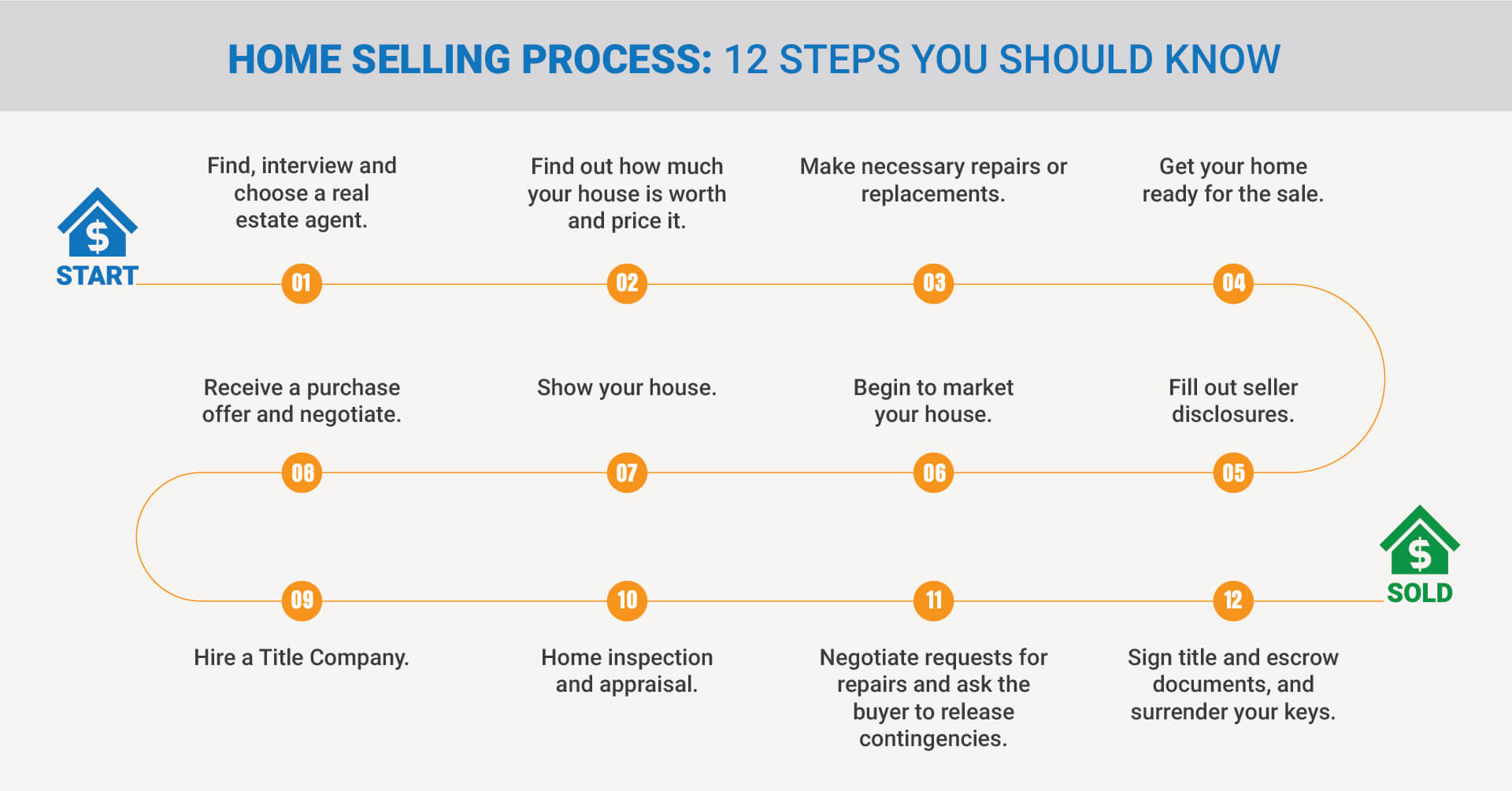
As you close this chapter, remember that selling your home is more than a transaction—it’s a transition. With the right strategies and a sprinkle of creativity, you’re not just selling a property, you’re passing on the legacy of a home. Here’s to your next adventure, filled with new beginnings and prosperous endeavors.

